
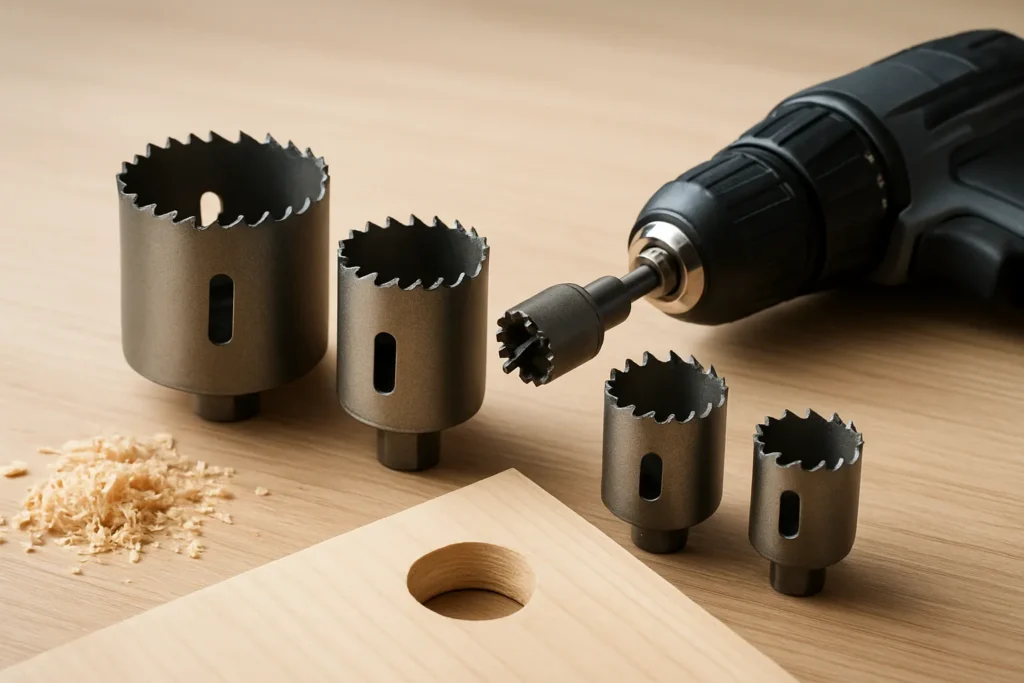
How to Select the Best Alloy Hole Saws for Woodworking
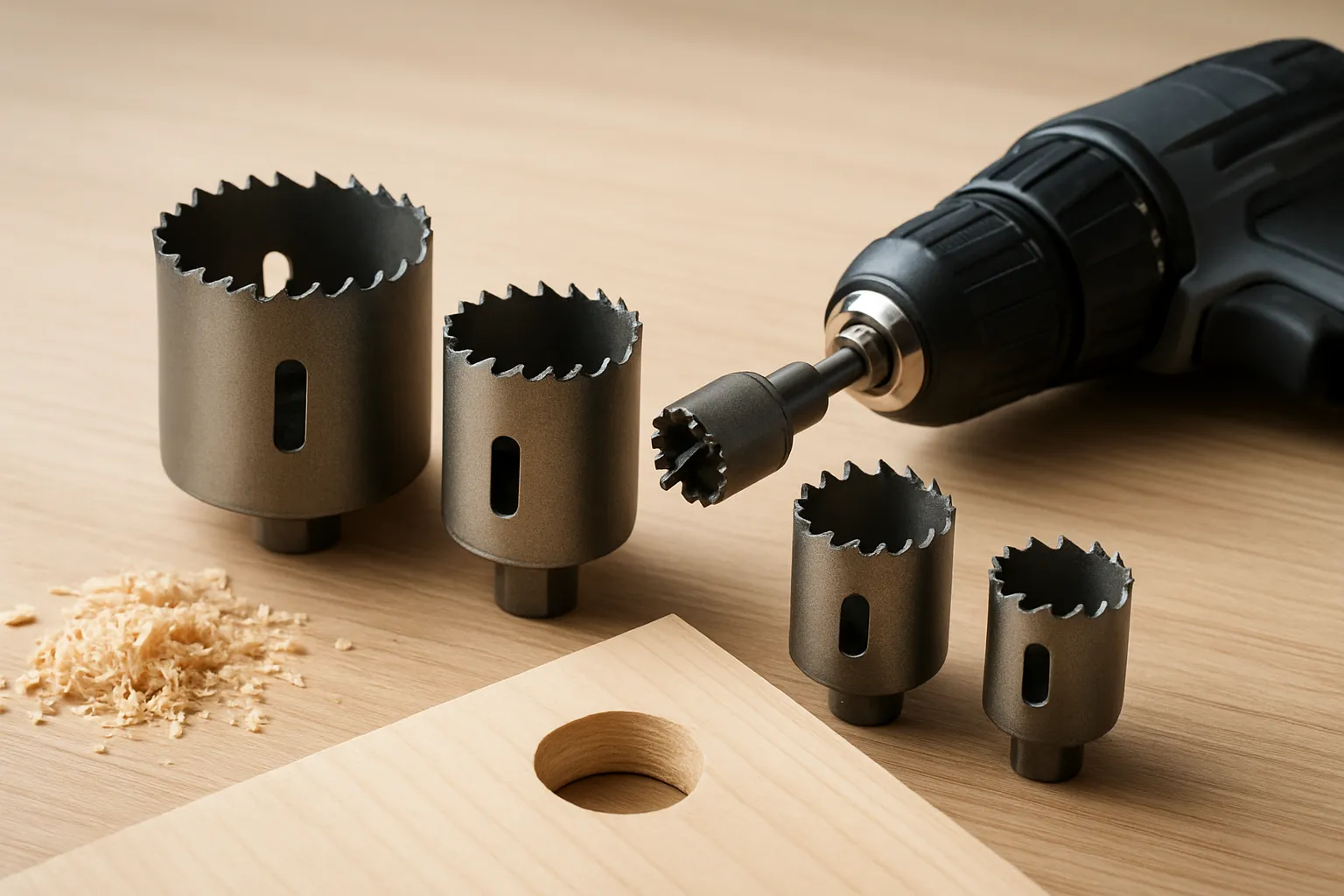
Alloy hole saws are specialized cutting tools designed to create precise holes in various materials, including wood. Made from high-quality alloys, these saws are known for their durability and efficiency, making them essential for both woodworking professionals and enthusiasts. In my experience, the significance of alloy hole saws in woodworking cannot be overstated; they empower craftsmen to achieve clean, accurate cuts, which are crucial for both aesthetic appeal and structural integrity in any woodworking project. For more information on different types of hole saws, check out our Products page.
Key Specifications to Consider
When selecting alloy hole saws for your woodworking needs, there are several key specifications to consider to ensure optimal performance:
- Material Composition: The quality of the alloy used in the hole saw is paramount. High-speed steel (HSS) alloys are commonly preferred due to their hardness and heat resistance, which allows for an extended cutting life. I always recommend looking for saws that feature robust construction to withstand the rigors of woodworking. For a specific option, consider the Woodworking Carbide Hole Saw.
- Tooth Design and Configuration: The design of the teeth on the hole saw significantly impacts cutting efficiency. Look for saws with sharp, well-defined teeth that are specifically designed for cutting wood. A variable pitch design can also help reduce vibration and improve cutting speed.
- Size and Depth Options: Alloy hole saws come in various sizes and depths. It’s essential to choose the right dimensions for your project. Consider the thickness of the wood you will be working with and select a saw that can accommodate the required hole depth.
Use Cases for Alloy Hole Saws in Woodworking
Alloy hole saws are versatile tools that can be used in a variety of woodworking projects:
- Types of Wood Projects: From furniture making to cabinetry and decorative woodwork, alloy hole saws can be utilized for drilling holes for dowels, hinges, and other fixtures. Their precision allows for intricate designs and secure fittings, which I find invaluable in my projects.
- Compatibility with Different Wood Types: Whether you are working with softwoods like pine or hardwoods such as oak, alloy hole saws are compatible with a wide range of wood types. This adaptability makes them a valuable addition to any woodworking toolkit.
Comparing Alloy Hole Saws to Other Options
In the realm of hole saws, alloy hole saws often stand out when compared to other options:
- Alloy vs. Bi-Metal Hole Saws: While bi-metal hole saws combine the benefits of HSS and carbon steel for enhanced durability, alloy hole saws are specifically designed for wood applications, providing faster cuts and being less prone to dulling when used correctly. For more information on bi-metal options, visit our Bi-Metal Hole Saw page.
- Performance Comparison with Wood Hole Saws: Wood hole saws are typically designed for softer materials and may not offer the longevity or cutting precision that alloy hole saws provide. For serious woodworking projects, alloy hole saws are often the preferred choice due to their superior performance.
Sourcing Quality Alloy Hole Saws
Finding high-quality alloy hole saws is crucial for ensuring the success of your woodworking projects:
- Recommended Suppliers: Look for established suppliers known for their quality tools. Brands that specialize in woodworking equipment often provide a range of alloy hole saws tailored for different applications.
- Evaluating Supplier Reputation: Before making a purchase, research the supplier’s reputation. Customer reviews, ratings, and industry recognition can provide insights into the quality of their products and customer service. For a reliable source, consider checking out this industry reference.
Implementation Tips for Optimal Use
To maximize the effectiveness of your alloy hole saws, consider these implementation tips:
- Proper Setup Techniques: Ensure that your drill is set to the appropriate speed for the material you are cutting. A slower speed is typically best for hardwoods, while softer woods may allow for faster drilling. Make sure the saw is securely attached to the drill to prevent wobbling.
- Maintenance and Care: Regular maintenance can extend the life of your alloy hole saws. Clean the saw after each use to remove wood shavings and resin buildup. Store them in a dry place to prevent rust and damage.
Frequently Asked Questions
- What is the lifespan of alloy hole saws? The lifespan of alloy hole saws can vary based on usage and maintenance. With proper care, they can last for many projects, but heavy use may require more frequent replacements.
- How to choose the right size for my project? To choose the right size, consider the diameter of the hole needed for your project. Measure the fittings or fixtures that will be installed and select a hole saw that matches or slightly exceeds that diameter for ease of installation.
Conclusion
Selecting the best alloy hole saws for woodworking is essential for achieving high-quality results in your projects. By understanding the key specifications, use cases, and sourcing options, you can make informed decisions that enhance your woodworking experience. With the right tools in hand, you can create beautiful and durable wooden pieces that stand the test of time.